Empowering balance, energy, and lasting well-being

What is the Paleo Diet? Eating Like Our Ancestors
Guinevere S. Jacobs
2/11/20264 min read
If you’ve spent any time looking into fitness or nutrition trends over the last decade, you’ve likely heard of the Paleo diet. It’s one of the most popular (and controversial) ways of eating in the world.
But is it just a low-carb fad? Or is there real science behind swapping your cereal for scrambled eggs?
Here is everything you need to know about the Paleo diet, broken down simply.
The Core Philosophy: "If a caveman didn’t eat it, neither should you."
The Paleo diet (short for Paleolithic) is based on a simple premise: Our bodies are genetically mismatched with the modern diet.
For roughly 2.5 million years, humans ate meat, fish, vegetables, and fruit. It wasn’t until the Agricultural Revolution (about 10,000 years ago) that we started eating grains, legumes, and dairy. Proponents of Paleo argue that 10,000 years is not long enough for our genetics to adapt to these "new" foods.
Therefore, the diet eliminates processed foods, sugar, dairy, grains, and legumes, focusing instead on the whole foods available to hunter-gatherers.
What to Eat vs. What to Avoid
The rules are strict, but the logic is consistent.
Yes, Please! (The "Cave" List)
Meat & Fish: Preferably grass-fed and wild-caught. Beef, lamb, chicken, turkey, pork, salmon, trout, mackerel.
Vegetables: All of them. Especially leafy greens, broccoli, peppers, onions, carrots. (Starchy veg like sweet potatoes are generally allowed in moderation).
Fruits: All fruits, but emphasis on lower-sugar options like berries.
Nuts & Seeds: Almonds, walnuts, macadamias, pumpkin seeds, sunflower seeds (excluding peanuts, which are legumes).
Healthy Fats: Avocado, coconut oil, olive oil, tallow, lard.
No-Go Zone (The "Farmer" List)
Grains: Wheat, oats, barley, rye, rice. (No bread, pasta, cereal, or quinoa).
Legumes: Beans, lentils, peanuts, peas, soy (including tofu and edamame).
Dairy: Milk, cheese, yogurt, butter (except perhaps clarified butter/ghee for some).
Refined Sugar: Candy, soda, pastries, high-fructose corn syrup.
Processed Vegetable Oils: Canola, soybean, sunflower, margarine.
Processed Foods: Anything with a long ingredient list or artificial additives.
The Health Benefits: Why Go Paleo?
People don't just switch to Paleo for the novelty; they do it for the results. When you remove processed calories and empty carbs, several things tend to happen:
1. Weight Loss (Without Starving)
Paleo is high in protein and fiber, two nutrients that are highly satiating. You naturally eat fewer calories because you feel fuller for longer, not because you’re restricting portion sizes.
2. Better Blood Sugar Control
By cutting out refined carbs and sugar, blood sugar spikes are minimized. This reduces insulin spikes, which helps the body switch from storing fat to burning fat for fuel.
3. Reduced Inflammation
Many people report a reduction in joint pain, acne, and digestive issues. This is often attributed to the elimination of processed seed oils and refined sugars, which are known to be pro-inflammatory.
4. Improved Gut Health
Legumes and grains contain compounds like lectins and phytates. While these aren't inherently bad for everyone, Paleo advocates argue that these "anti-nutrients" can irritate the gut lining and block mineral absorption in sensitive individuals.
Common Criticisms (The Counter-Arguments)
To be fair, no diet is perfect, and Paleo has its fair share of critics.
1. "Cavemen didn't live that long."
This is true. But we aren't trying to replicate their lifespan, we are trying to replicate their dietary template to avoid chronic, modern diseases like obesity and type 2 diabetes.
2. It excludes healthy foods.
Critics argue that whole grains and legumes (like beans and lentils) are excellent sources of fiber and cheap protein. They argue that cutting them out unnecessarily removes diversity from the diet.
3. It can be expensive.
Grass-fed beef and organic produce cost more than rice, pasta, and tinned beans. This is arguably the biggest hurdle for the average person.
Is Paleo Just Keto or Atkins?
No. While there is overlap, the focus is different.
Keto is about high fat and very low carbs (forcing ketosis).
Paleo is about food quality.
You can do Paleo and still eat plenty of carbohydrates (like sweet potatoes and fruit). It isn't inherently a low-carb diet unless you make it one.
How to Start Paleo (Without Going Crazy)
If you want to try Paleo, don't throw away everything in your kitchen and start from zero. That leads to burnout.
Step 1: The 80/20 Rule
Aim to eat Paleo 80% of the time. Strict adherence is hard socially and psychologically. If you eat a grass-fed steak and veggies for dinner but have a little cheese on your eggs in the morning, you’re still doing great.
Step 2: Focus on Additions, Not Subtractions
Don't fixate on what you "can't" have. Focus on eating more vegetables, more protein, and more healthy fats. The junk food will naturally be pushed out of your diet.
Step 3: The Pantry Swap
Instead of cooking oil, use coconut or avocado oil.
Instead of milk, try unsweetened almond or coconut milk.
Instead of rice, try cauliflower rice or sweet potato mash.
Sample Day on a Plate:
Breakfast: Scrambled eggs with spinach cooked in olive oil, side of avocado.
Lunch: Large chicken salad with mixed greens, carrots, cucumber, and an olive oil vinaigrette.
Dinner: Salmon fillet with roasted asparagus and a baked sweet potato.
Snack: An apple with a handful of almonds.
The Final Verdict
The Paleo diet is an excellent tool for removing processed, high-sugar foods from your life. While the historical accuracy of the diet can be debated, the nutritional outcome is clear: eating more vegetables, protein, and healthy fats is rarely a bad idea.
Whether you view it as a strict lifestyle or just a way to clean up your eating habits, the "caveman" approach is a fantastic reset button for the human body.
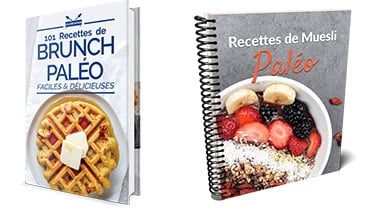
For more information on starting your paleo journey, or to order a paleo recipe book, consider clicking below.