Empowering balance, energy, and lasting well-being

The Silent Priority: A Comprehensive Guide to Prostate Health for Men
Fiona Morris
2/3/20263 min read


Introduction: Why Prostate Health Matters
The prostate—a small, walnut-sized gland that sits below the bladder—rarely occupies men's thoughts until problems arise. Yet, this unassuming organ plays a crucial role in male reproductive health, and its well-being directly impacts quality of life. From urinary function to sexual health, the prostate deserves attention long before symptoms appear. This guide explores what every man should know about maintaining prostate health throughout life's stages.
Understanding the Prostate
The prostate gland's primary function is to produce seminal fluid that nourishes and transports sperm. Located where the bladder and urethra meet, its position explains why prostate issues often affect urinary function. Three main conditions affect prostate health:
Prostatitis: Inflammation or infection, often causing pain and urinary symptoms (can occur at any age)
Benign Prostatic Hyperplasia (BPH): Non-cancerous enlargement affecting most men as they age
Prostate Cancer: The second most common cancer in men worldwide
The Lifespan of Prostate Health
In Your 20s-30s: Building Foundations
While significant prostate issues are rare, this is the ideal time to establish healthy habits. Annual checkups should include discussions about family history, as prostate cancer can have genetic links.
In Your 40s: Proactive Monitoring
The American Urological Association recommends that men at average risk discuss prostate cancer screening starting at age 45 (40 for those with family history or African American heritage). BPH symptoms may begin appearing.
In Your 50s & Beyond: Regular Screening
Most men experience some prostate changes. Regular discussions with your doctor about PSA testing and digital rectal exams become increasingly important.
Nutrition: Your Prostate's Best Defense
Emerging research highlights the power of dietary choices in supporting prostate health:
Prostate-Protective Foods:
Tomatoes and Watermelon: Rich in lycopene, a potent antioxidant linked to reduced prostate cancer risk
Cruciferous Vegetables: Broccoli, cauliflower, and Brussels sprouts contain sulforaphane, which may help combat cancer cells
Fatty Fish: Salmon, mackerel, and sardines provide anti-inflammatory omega-3 fatty acids
Berries and Pomegranates: Packed with antioxidants that combat cellular damage
Green Tea: Contains EGCG, a compound with promising anti-cancer properties
Pumpkin Seeds: High in zinc, essential for prostate function
Foods to Limit:
Red and processed meats
High-fat dairy products
Excessive calcium supplements (get calcium from food sources instead)
Lifestyle Factors That Make a Difference
1. Maintain a Healthy Weight
Obesity, particularly excess belly fat, increases inflammation and is linked to more aggressive prostate cancers.
2. Stay Physically Active
Regular exercise reduces BPH symptoms and may lower prostate cancer risk. Aim for 150 minutes of moderate activity weekly, including strength training.
3. Practice Good Hydration
While adequate water intake is crucial, men with BPH may benefit from reducing fluids before bedtime to minimize nighttime urination.
4. Consider Sexual Health
Regular sexual activity may help maintain prostate health by preventing fluid buildup, though research continues in this area.
5. Manage Stress
Chronic stress increases inflammation throughout the body, including the prostate. Meditation, yoga, and hobbies can help manage stress levels.
Screening and Medical Monitoring
Understanding your options is key to informed decisions:
PSA Test: Measures prostate-specific antigen in blood. Elevated levels can indicate various conditions (not just cancer).
Digital Rectal Exam (DRE): A physical examination allowing your doctor to feel the prostate for abnormalities.
Advanced Testing: When indicated, MRI, ultrasound, or biopsy may provide more detailed information.
Important: Discuss the benefits and limitations of screening with your doctor, considering your personal risk factors and preferences.
Recognizing Symptoms: When to See a Doctor
Don't dismiss these potential warning signs:
Frequent urination, especially at night
Difficulty starting or stopping urine flow
Weak or interrupted urine stream
Pain or burning during urination
Blood in urine or semen
Persistent pain in lower back, hips, or pelvis
Erectile dysfunction
Many symptoms overlap between conditions, so professional evaluation is essential.
Promising Research and Supplements
While no supplement guarantees prostate health, some show promise:
Saw Palmetto: May help with mild-to-moderate BPH symptoms
Beta-Sitosterol: A plant compound that may improve urinary symptoms
Vitamin D: Deficiency is linked to increased prostate cancer risk
Crucial reminder: Always consult your doctor before starting supplements, as they can interact with medications or mask symptoms needing medical attention.
Breaking the Silence: A Call to Action
Prostate health suffers from unnecessary stigma and avoidance. The most powerful step any man can take is to:
Start the conversation with family about medical history
Establish a relationship with a primary care doctor or urologist
Prioritize annual wellness visits that include prostate health discussions
Share information with other men in your life
Conclusion: Empowerment Through Awareness
Prostate health isn't about fear—it's about empowerment through knowledge and proactive care. By understanding this vital gland and implementing healthy lifestyle choices, men can significantly influence their prostate health trajectory. The journey begins with a simple commitment: to listen to your body, engage with healthcare providers, and make daily choices that support your well-being.
Remember, the best approach to prostate health combines awareness, prevention, and timely medical partnership. Your future self will thank you for the attention you give today.
Disclaimer: This article is for informational purposes only and does not constitute medical advice. Always consult with a qualified healthcare provider for personalized medical guidance and before making any changes to your health regimen.
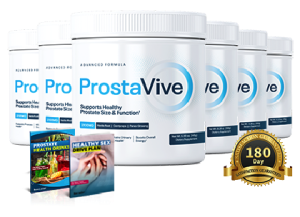
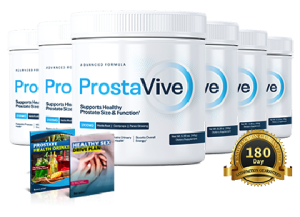
To assist with prostate health, how about giving ProstaVive a try.