Empowering balance, energy, and lasting well-being
The Clear and Present Danger: Why Your Glass of Water Isn't as Simple as It Seems
Fiona Morris
2/5/20263 min read
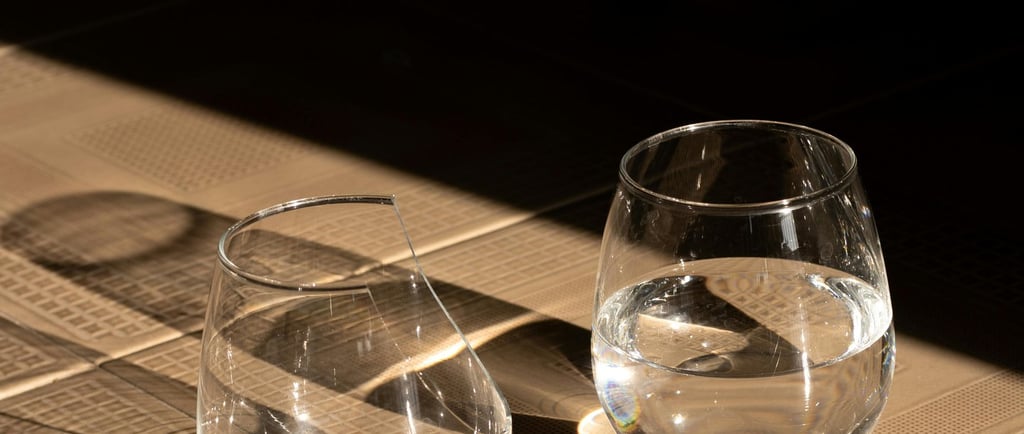

Turn on the tap. Fill your glass. Drink. It's one of life's most basic rituals, a fundamental act of survival we perform without thought. But what if that clear, seemingly pure water contained a cocktail of invisible contaminants? The uncomfortable truth is that for millions, access to truly clean water isn't a guarantee, and the dangers lurking in a contaminated glass are far more serious than just an unpleasant taste.
The Privilege of the Pure Drop
First, let's acknowledge a stark reality: reliable access to clean water is a profound privilege. According to the WHO, over 2 billion people globally use a drinking water source contaminated with feces, risking diseases like cholera, dysentery, and typhoid. This blog isn't meant to induce fear where systems are robust, but to foster awareness and gratitude for a resource we must vigilantly protect.
What's Really in Your Water? Beyond the "Yucky" Stuff
The "yucky" stuff—sediment, rust, an odd taste—is often a visible or sensory red flag. But the more insidious threats are frequently invisible: excess chemicals and microorganisms that have no smell or taste.
1. The Chemical Load: A Slow and Steady Threat
Water treatment is essential and saves lives, primarily by using disinfectants like chlorine. However, the byproducts of this process, such as trihalomethanes (THMs), can form when chlorine reacts with organic matter. Long-term, high-level exposure to these disinfection byproducts has been linked in studies to an increased risk of certain cancers and potential reproductive issues.
Other chemical contaminants can seep in from our environment:
Lead:
The tragic lesson of Flint, Michigan. Leached from old pipes and plumbing, lead is a potent neurotoxin, especially devastating to children's developing brains, causing irreversible cognitive and behavioral issues.Nitrates & Nitrites:
Often from agricultural fertilizer runoff. Dangerous for infants, causing "blue baby syndrome" (methemoglobinemia), and under study for longer-term health impacts.PFAS ("Forever Chemicals"):
Used in non-stick cookware, firefighting foam, and countless industrial applications. These synthetic chemicals don't break down in the environment or the body. Linked to hormone disruption, immune system effects, and certain cancers.Pesticides & Herbicides:
Runoff from farms and lawns can infiltrate water sources.
2. The Biological Brigade: The Acute Danger
This is the immediate, stomach-churning threat in areas with poor sanitation.
Bacteria (E. coli, Salmonella):
Causes severe gastrointestinal illness, vomiting, and diarrhea, which can be fatal for the very young, old, or immunocompromised.Parasites (Giardia, Cryptosporidium):
Notorious for causing prolonged, severe diarrheal disease ("beaver fever"). Their cysts are resistant to standard chlorine levels.Viruses (Hepatitis A, Norovirus):
Extremely contagious, causing widespread illness.
3. The "Aesthetic" Annoyances with Hidden Costs
Hard Water (High Calcium & Magnesium):
While not a health risk, it damages appliances, dries skin and hair, and leaves scale.Iron & Manganese:
Cause metallic tastes, staining, and can promote bacterial growth in pipes.
Protecting Your Personal Water Supply: Knowledge is Power
You are not powerless. Here’s a practical action plan:
Get Informed:
In many countries, you are entitled to an annual Consumer Confidence Report (CCR) from your local water utility. Read it. It lists detected contaminants against legal limits. For well water, annual testing by a certified lab is non-negotiable.Consider Filtration at the Point of Use:
Activated Carbon Filters (Pitcher or Faucet-Mount):
Excellent for improving taste, removing chlorine, some organic chemicals, and lead.Reverse Osmosis (RO) Systems:
A more comprehensive solution under the sink. Removes a vast array of contaminants, including nitrates, heavy metals, and fluoride. (Note: They waste some water and remove beneficial minerals).Certification Matters:
Look for filters certified by NSF International for the specific contaminants you wish to remove (e.g., NSF 53 for health contaminants, NSF 42 for aesthetics).
Maintain Your Plumbing:
If you have an older home (pre-1986), be aware of lead solder or pipes. Flushing your tap for a minute after long periods of non-use can help reduce lead exposure. Consider replacing plumbing lines or fixtures if needed.Become an Advocate:
Clean water is a community issue. Support policies and infrastructure investments that protect watersheds from agricultural and industrial pollution. What goes upstream eventually comes through the tap.
The Bottom Line
Water is life. But contaminated water can undermine health, slowly or suddenly. Moving from ignorance to awareness is the first step. Don't take that clear glass for granted. Understand its source, know its potential risks, and take simple, proactive steps to ensure that every sip you take is truly supporting your health, not silently harming it.
Your health is a reflection of your environment. Start by looking at what’s in your water.
Disclaimer: This blog is for informational purposes only. It is not a substitute for professional medical or public health advice. Always consult with local health authorities or a water quality expert for concerns about your specific water supply.
For more information on obtaining your own fresh water reply on tap, consider clicking below.