Empowering balance, energy, and lasting well-being

Green Plate Revolution: Your Simple, Stress-Free Guide to Starting a Plant-Based Diet
Guinevere S. Jacobs
2/5/20263 min read
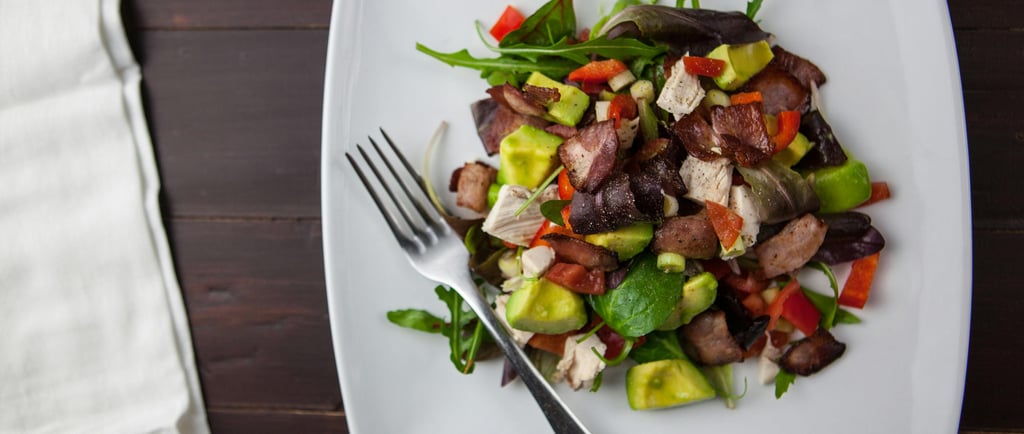
You’re curious. You’ve heard about the health benefits, the environmental impact, or the ethical reasons. You see vibrant bowls on social media and think, “I’d like to try that.” But then the overwhelm hits: Where do I even start? Will I get enough protein? What will I actually eat? Do I have to give up everything I love?
First, take a deep breath. Starting a plant-based diet is not about perfection, deprivation, or flipping a switch overnight. It’s a gradual, delicious exploration. This guide is your friendly, practical map to begin.
Step 1: Reframe Your Mindset – Addition, Not Subtraction
The biggest mistake is focusing on what you’re "giving up." This sets you up for a sense of lack. Instead, shift your focus to all the wonderful things you’re adding in.
You are adding:
Color: A rainbow of new fruits, vegetables, grains, and legumes.
Flavor: New spices, herbs, and cooking techniques.
Nutrients: A flood of vitamins, minerals, fiber, and antioxidants.
Experimentation: The joy of discovering new favorite foods.
Your new mantra: "I get to try something new."
Step 2: Start with "Plant-Based-ish" – The Gentle Transition
You don't have to go from meat-eater to vegan overnight. In fact, a gradual approach is more sustainable. Choose one of these beginner-friendly methods:
The "Meatless Monday" Method:
Dedicate one day a week to fully plant-based meals. It’s low-pressure and turns planning into a fun weekly project.The "Swap-Out" Strategy: Focus on replacing one thing at a time.
Week 1: Swap dairy milk for oat, almond, or soy milk in your coffee and cereal.
Week 2: Swap your lunchtime meat for a hearty bean chili, lentil soup, or a chickpea salad sandwich.
Week 3: Try a plant-based "meat" alternative (like a veggie burger or soy-based grounds) in your favorite pasta sauce or tacos.
The "Vegan Before 6" (VB6) Approach: Eat plant-based for breakfast and lunch, then have a flexible dinner. This builds confidence for most of your day.
Step 3: Master the Core Four – Your New Plate Framework
Forget complicated rules. Build your meals around these four simple pillars for balanced nutrition and satisfaction:
Proteins:
Beans, lentils, chickpeas, tofu, tempeh, edamame, seitan.Healthy Fats:
Avocado, nuts, seeds, olives, tahini.Complex Carbs:
Whole grains (brown rice, quinoa, oats), starchy vegetables (sweet potatoes, squash), whole-wheat pasta/bread.Colorful Veggies & Fruits:
The more color, the better—fresh, frozen, or roasted.
A simple formula for every meal: Protein + Grain + Veggies + Flavor (sauce/dressing).
Example Bowl: Quinoa (grain) + black beans (protein) + roasted bell peppers & spinach (veggies) + avocado (fat) + lime-cilantro dressing (flavor).
Example Plate: Baked tofu (protein) + brown rice (grain) + steamed broccoli (veggies) + peanut sauce (fat & flavor).
Step 4: Stock Your Kitchen for Success
You don't need a pantry overhaul. Start with these affordable staples:
Pantry:
Canned beans, lentils, chickpeas, diced tomatoes, tomato paste, vegetable broth, oats, rice, quinoa, pasta, nuts, seeds, soy/tamari sauce, nutritional yeast ("cheesy" flavor), spices (cumin, paprika, garlic powder, chili powder).Fridge/Fresh:
Onions, garlic, lemons, limes, leafy greens, carrots, celery, bell peppers, tofu, tempeh, plant-based milk.Freezer:
Frozen berries, frozen spinach, frozen peas/corn, veggie burgers.
Step 5: Find Your "Gateway" Recipes
Start with familiar, comforting foods you already love, and give them a plant-based twist.
Love Spaghetti Bolognese? Use lentils or a plant-based ground instead of beef.
Love Chili? Make a "three-bean chili" and load it up with veggies.
Love Tacos? Fill them with spicy black beans, roasted cauliflower, or grilled portobello mushrooms.
Love Stir-fry? Use extra-firm tofu or tempeh instead of chicken.
Beginner Recipe Hack: Find 3-4 simple recipes you genuinely enjoy and rotate them. Master them. This removes the "what's for dinner?" panic.
Navigating Common Concerns
"Will I get enough protein?" Yes. If you’re eating enough calories from varied whole foods (beans, lentils, tofu, nuts, seeds), protein needs are easily met. Include a protein source at each meal.
"What about Vitamin B12?" This is the one nutrient not reliably found in plants. Plan to take a B12 supplement or eat B12-fortified foods (like nutritional yeast, plant milks, or cereals). This is non-negotiable for long-term health.
"I don't have time to cook!" Batch cook grains and beans on the weekend. Rely on 20-minute meals: stir-fries, grain bowls, loaded salads, and simple pasta dishes.
The Golden Rule: Be Kind to Yourself
Some days will be easier than others. You might crave an old favorite. That’s okay. This is not an all-or-nothing pursuit. Progress, not perfection. Every plant-based meal is a positive choice.
Start this week. Pick one method from Step 2. Make one swap. Try one new recipe. Celebrate that win.
You’re not just changing your diet; you’re discovering a new, vibrant way to eat that nourishes you and the planet. Welcome to the table.
Ready? Your first step is as simple as choosing a plant-based milk for your morning coffee. You’ve got this.
Consider clicking the button below for more information on commencing your new green lifestyle.